South African football has never been as contradictory as it is today.
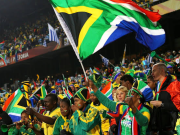
In July 2010, the stands of Durban Stadium were filled with vuvuzelas. Sixteen years later, there were more security personnel than spectators. Their daily work consisted of checking hundreds of tickets and shooing away seagulls that flew into the stadium.
In 2010, South Africa spent $4.3 billion to host the World Cup, becoming the first African country to do so. However, the World Cup left South Africa not with the anticipated sustained prosperity, but with a wound that has yet to heal. One can't help but ask: what exactly happened to South African football in those sixteen years?
The Paradox of the Stadium and the Community
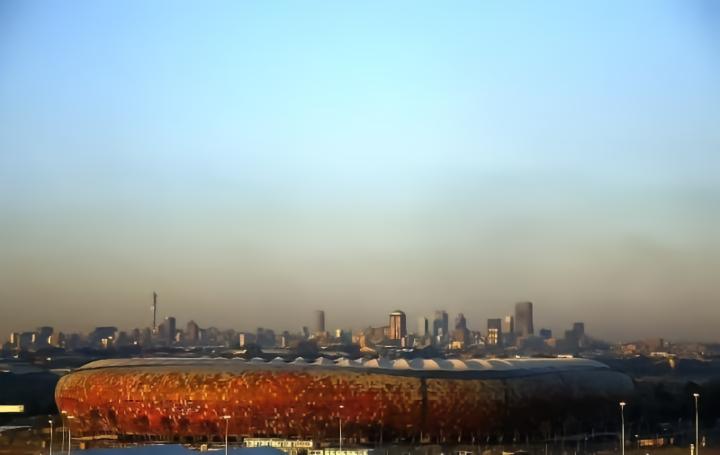
Durban Stadium, one of the most magnificent buildings of the 2010 World Cup, boasts a massive arched structure that resembles a torch overlooking the Indian Ocean. Sixteen years later, the turf is still meticulously manicured, and security personnel remain on duty, but the stands are often sparsely populated with only a few hundred people. This stadium, which once held the world's attention, is now deserted and struggling to make ends meet.
In fact, this outcome was foreshadowed. ESPN and FOX Sports simultaneously published reports after the World Cup, warning that these stadiums, costing over $1 billion each, might become expensive and useless burdens. South Africa had originally envisioned local rugby and football teams taking over the stadiums after the World Cup, but the city of Durban never communicated with the local Sharks rugby team before building the Moshe Mabida Stadium. This magnificent 70,000-seat, $400 million building didn't even have enough boxes to accommodate the Sharks' existing season ticket holders. Cape Town's Green Point Stadium (later renamed Cape Town Stadium) faced the exact same predicament. After the World Cup, the company that was originally slated to take over the 30-year operating rights quickly withdrew, citing "operating and maintenance costs far exceeding expectations, and shareholders unwilling to sign a contract with projected huge losses."
The rugby team can't use it, but the football team can't afford it. In 2014, Ajax Cape Town, the only local team that had ever played at Green Point Stadium, announced its relocation, citing excessively high rental costs and poor pitch conditions. The maintenance costs for these stadiums are between 6 and 10 million, while the actual revenue falls far short of that. These two stadiums, built at a cost of 1 billion, have thus been absurdly left vacant.
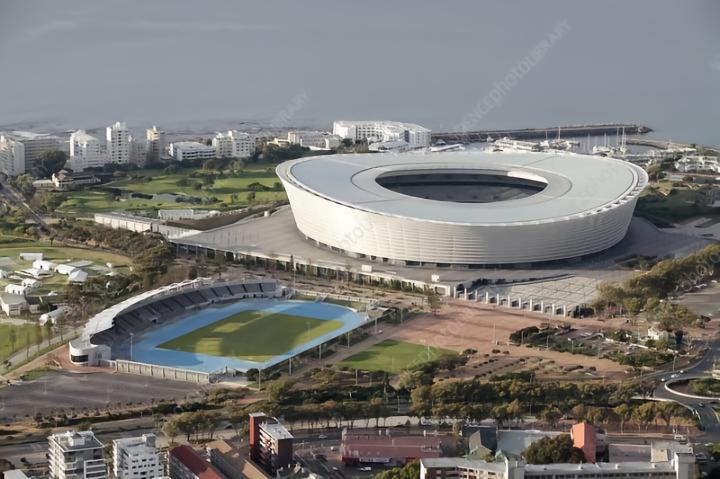
Cape Town Green Point Stadium (now Cape Town Stadium)
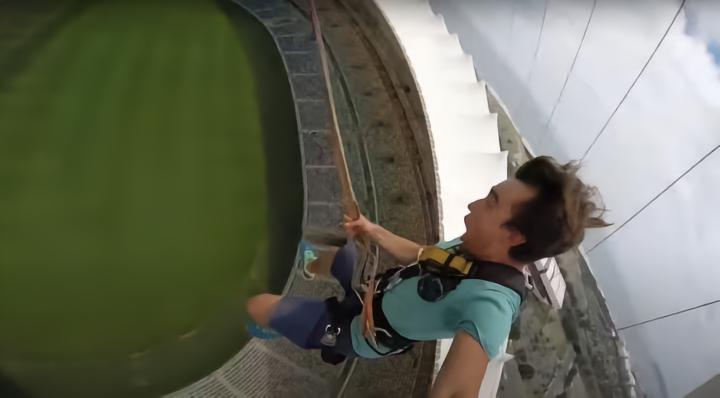
Visitors can even bungee jump from the roof of the Moshe Mabida Stadium.
Nelson Mandela Bay Stadium in Port Elizabeth presents a different picture. This $282 million lotus-shaped stadium, located in Mandela's hometown, was built to address the city's long-standing lack of a professional football stadium. Upon its completion, locals were overjoyed; they finally had a world-class stadium. However, sixteen years later, Port Elizabeth still doesn't have a team qualifying for the South African Premier League. Since the World Cup, the stadium has relied on diversified operations, such as hosting rugby matches (like the 2022 Rugby Sevens World Cup), and generating ticket revenue by hosting neutral matches in the South African Premier League, similar to Wembley Stadium.
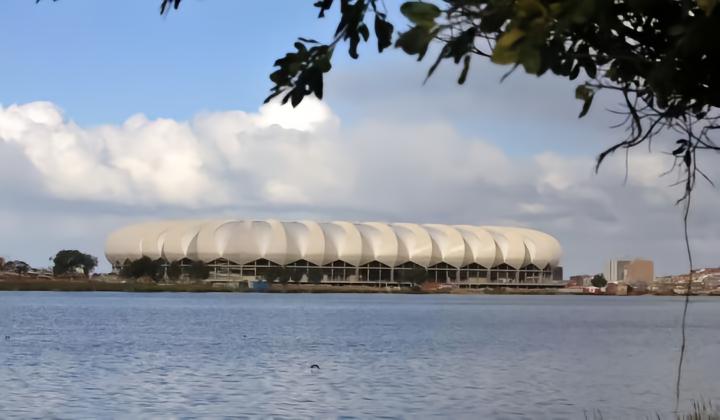
Nelson Mandela Bay Stadium
A 2020 study by the University of Johannesburg in South Africa, which investigated venues in Cape Town, Durban, and Port Elizabeth, found that these World Cup venues "almost entirely lacked strategic planning for post-Games sustainable use." A 2021 survey of 1,120 residents further corroborated this finding: "Current operating and maintenance costs are extremely high, posing significant sustainability challenges."
However, while respondents generally acknowledged the "huge" maintenance costs of the stadiums, they strongly resisted the demolition plan. In their view, these stadiums were symbols of the World Cup. As early as before the 2010 World Cup, research had captured the high hopes residents had for the stadium construction. Surveys showed that local residents generally held a very positive attitude towards the World Cup and stadium construction, especially regarding "local economic development" and "increased employment opportunities." At the time, a worker involved in the construction of the Durban stadium told reporters that the World Cup provided them with job opportunities, "making them feel a direct connection between the World Cup and themselves."
Since the stadium cannot be demolished to cut costs, the only option is to generate revenue. Faced with ongoing financial pressure, the Durban City Council launched a plan in February 2026 to establish a three-year partnership with local professional football clubs such as Amazulu and South African powerhouse Emirates Kaisa, as well as the South African Football Association (SAFA), the Confederation of African Football (CAF), and FIFA. The plan aims to generate revenue by hosting matches to maintain the stadium's sustainable operation. Furthermore, the South African national team just played an international friendly against Panama there in March 2026.
This "self-rescue" effort has been effective. A financial report from February 2026 shows that a cup semi-final held at Durban Stadium created 145 new jobs in Durban and contributed 80.6 million rand (about US$4.915 million) to the local GDP.
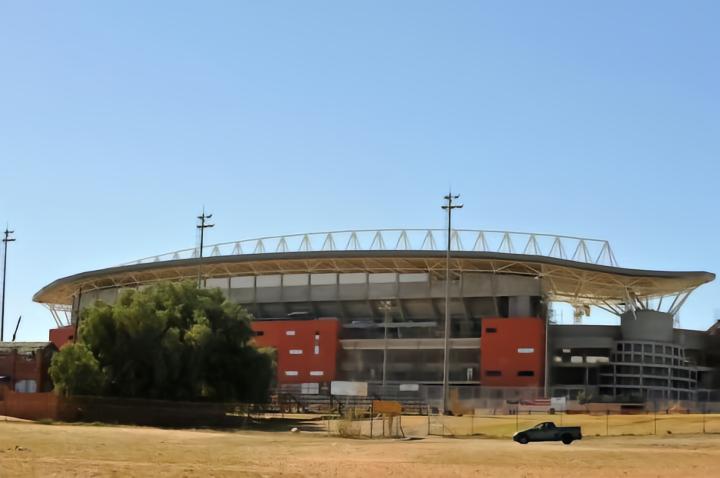
In fact, even before this self-rescue effort, South Africa had already paid a huge price for hosting the 2010 World Cup. When it won the bid in 2004, South Africa announced a budget of only 2.3 billion rand. But by the time of the opening ceremony in 2010, the final investment had ballooned to over 33 billion rand (approximately US$4.3 billion), equivalent to 1.72% of South Africa's GDP at the time. Among these costs, the construction and renovation of 10 stadiums exceeded US$1.3 billion, with Cape Town's Green Point Stadium alone costing US$366 million; security expenses exceeded US$1 billion, with approximately 41,000 additional police officers; and in terms of transportation, over 11.2 billion rand was invested, upgrading 7 airports, building 1 new airport, purchasing over 100 buses, and constructing Africa's first intercity high-speed railway—the Gauteng train.
Beyond the tournaments, South Africa also made some commitments to football development. Immediately after the 2010 World Cup, FIFA announced a $100 million "World Cup Legacy Trust," with $20 million allocated to the South African Football Association (SAFA) for league preparation and headquarters construction, and the remaining $80 million for football development, education, health, and humanitarian projects. SAFA also announced a football development fund using ticket revenue, and the government planned to establish inter-school football leagues in public schools. However, these measures were slow to materialize. The Legacy Trust didn't arrive until April 2012. The first batch of projects, totaling 56 million rand, was approved in 2013, primarily for U13 and U15 men's and women's leagues, women's regional leagues, and grassroots coach and referee training. Of the 52 artificial turf pitches, the first 27 were completed by June 2011, while the remaining 25 progressed slowly due to funding issues. The promise of inter-school leagues also remained unfulfilled.
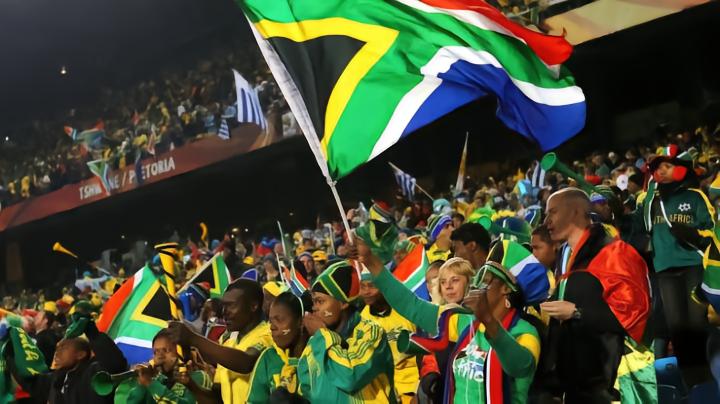
A youth training pathway has transformed a national team.
Although most of the stadiums in 2010 were unused, the World Cup had a significant impact on South Africa's football population. Major tournaments often stimulate young people's enthusiasm for football. This enthusiasm gave rise to the DDC a few years later. Its creation opened a new chapter in South African youth training.
DDC (DStv Diski Challenge) is the reserve league of the South African Premier League (SFL) and the first youth league of its kind in African football. Founded in 2014, it essentially serves as a reserve league for SFL clubs, providing a platform for young players to transition from youth academy to the first team. According to official SFL data, DDC has supplied over 310 players to the first team. World Cup starters such as Foster, Mbokazi, and Movecoen have all made appearances through this league. By 2025, 260 DDC graduates will have represented South Africa at various national teams. DDC played a crucial role in South Africa's qualification for the group stage of the 2026 World Cup and their first-ever Africa Cup of Nations title.
Foster was promoted to Orlando Pirates' first team from DDC at the age of 17, and joined Monaco two years later for €1.2 million, but had limited playing time. He then played in the Belgian and Portuguese second divisions. In the 2022-23 season, he made 21 appearances for Westeros in the Belgian First Division A, scoring 8 goals. He transferred to Burnley in the winter transfer window for €11 million, setting a transfer fee record for a South African player, and becoming the only DDC graduate to establish himself in the Premier League. To date, he has made 50 Premier League appearances for Burnley, contributing 8 goals and 5 assists, including a last-minute winner against Wolves in October 2025.
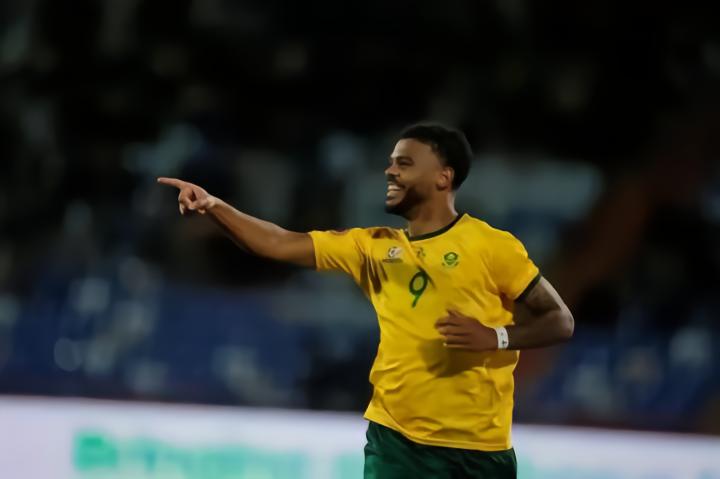
Lyle Foster
Former DDC project director Mandela Ndlovu stated that developing football talent requires a long-term vision, investment, and a stable platform, which often takes a decade. Amazulu team coach Arthur Zwane said that approximately 80% of the players in the national team have played in DDC, demonstrating the system's effectiveness.
However, the underlying concerns are equally evident. DDC graduates primarily circulate within the South African Premier League. If DDC remains merely an internal production line, the ceiling for South African football remains clearly visible. Statistics show that over the past decade, DDC has supplied the South African Premier League with 310 young players and 260 national team players at various levels, but the vast majority of them remain in the South African Premier League, with only a handful choosing to play abroad.
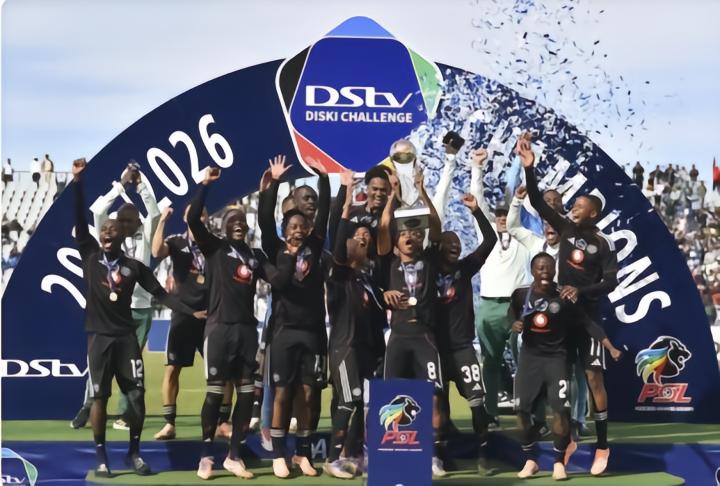
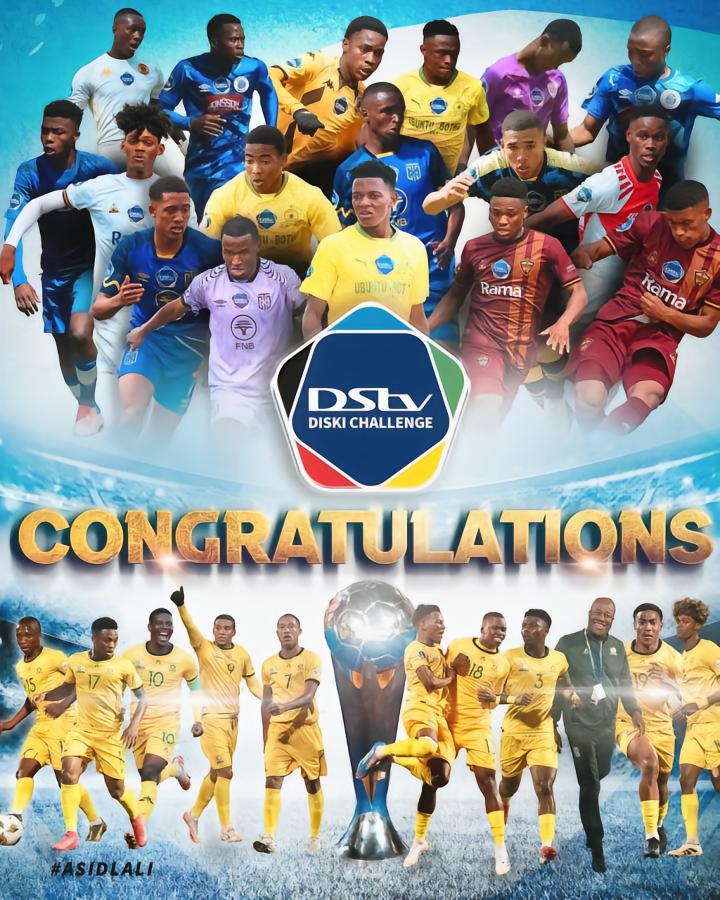
From top leagues to complete obscurity: The plight of South African players playing abroad.
DDC proved that South African football can cultivate its own talent. But what happens after they're developed? A harsh reality is that these young players find it almost impossible to get into top European leagues.
Comparing the 2010 South Africa national team with the 2026 squad reveals a stark reality: 20 years ago, Benny McCarthy won the Champions League with Porto, Lucas Radebe captained Leeds United, and Quinton Fortune wore the Manchester United jersey. Now, with Burnley, where Forster plays, relegated to the Championship, this team, which achieved the best result in the South Africa World Cup, has no players from any of Europe's top five leagues.
In the late 1990s, South African football, through the bridge of Ajax and Cape Town, sent a generation of stars to Europe, including Radbe and McCarthy. However, after the 2010 World Cup, the number of South African players playing in Europe dwindled to just a handful. In 2012, Percy Taau became one of the few South Africans to establish himself in Belgium, playing for Club Brugge and Anderlecht. Around the same time, Eric Mathieu moved between the Netherlands and Belgium, and Daxon Moriri also played in the German second division.
Behind these sporadic cases of players going to Europe lies a collapsing talent export channel. The very pillar of this channel was Ajax Cape Town. An ESPN report during the 2026 World Cup revealed a crucial turning point: since South Africa's return to international sports in 1992, Ajax had been a springboard for South African players to pursue their careers abroad. However, in 2020, Ajax withdrew from its equity partnership with Cape Town Spurs and sold its 51% stake in Ajax Cape Town. Ajax officially cited a "lack of confidence in the quality of South African player development" as the reason, but a deeper reason lay in the long-standing animosity between the local club and its Dutch counterparts, with frequent management frictions and ideological clashes. With Ajax's withdrawal, South Africa lost a stable export channel similar to Ghana's "Right to Dream" academy—which had produced top-league stars such as Kudus, Nuwama, and Sulaymana.
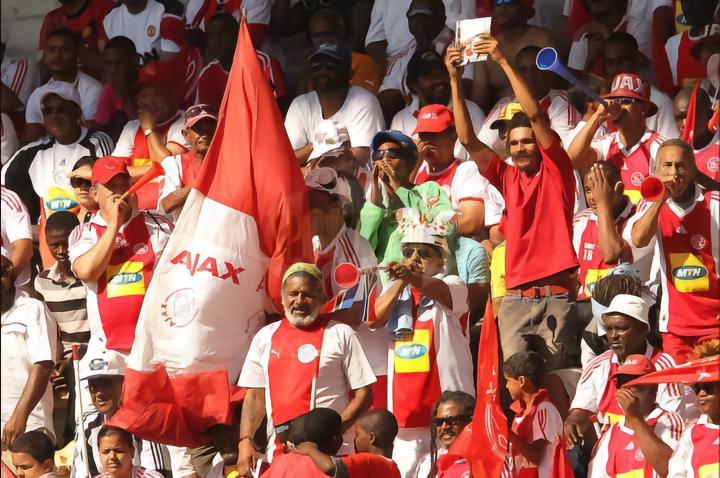
Ajax has left. Meanwhile, in West Africa, another academy founded by Europeans is operating at full speed.
Founded in 1999 by Manchester United scout Tom Vernon, Ghana's "Right to Dream" academy aims to create a pathway from Africa to Europe. The academy covers over 180 communities and assesses more than 100,000 Ghanaian children annually. In 2015, Vernon acquired Danish Premiership club Nordsjælland, enabling young Ghanaian players to play in European professional leagues. Stars like Kudus, Nwama, and Adingera all came through this pathway. Meanwhile, Forster joined the Orlando Pirates' first team at 17 but didn't make his Premier League debut until he was 23.
Let's look at South Africa. DDC also cultivates talent; players like Foster and Mofferkorn came from there. However, after Ajax withdrew its investment, this channel lacked a gateway to Europe. Furthermore, international clubs have virtually no permanent youth training programs in South Africa. Liverpool once opened a football academy in South Africa, but it closed after two years due to mismanagement; clubs like Barcelona, Juventus, and Paris Saint-Germain only have seasonal training camps in South Africa, and these short-term programs have limited impact, failing to create a sustainable talent pipeline. The underdeveloped scouting network also means that South African players naturally lack early contact and long-term attention from European clubs compared to other African regions.
The mindset of South African players also influences their overseas careers. Former South African international Katlego Mfeira bluntly stated that South African players are unwilling to go to Europe because "life in South Africa is too comfortable; there are nightclubs, barbecue restaurants, shopping malls, and good communities." West African players, on the other hand, "go to Europe to survive." IMF data from 2024 shows that South Africa's per capita GDP exceeds $6,000, four to five times that of West African countries like Ghana and Ivory Coast. Meanwhile, shopping malls, convenient highways, and mature urban consumption spaces are scarce in many West African countries. Ghanaian coach Maxwell Konadou's observation is even more poignant: "South African players have everything from a young age; they have good stadiums, good equipment, and good facilities, so their hunger for Europe isn't as strong. Ghanaian players grow up struggling; that survival instinct makes them more resilient and better adapted to overseas environments."
With the European route closed, South African players had to find another way out. Fortunately, the South African Premier League (SAL) offered them a comfortable fallback option. Thanks to its highly professional operating model, the SAL has attracted a large number of local players to stay. Clubs like Orlando Pirates and Mamelodi Sunset have performed well in the CAF Champions League, and domestic player salaries are among the highest in Africa. When "staying in the SAL and earning a decent salary" becomes a realistic option, the motivation to go to Europe and sit on the bench naturally diminishes. In the 26-man squad for the 2026 World Cup, 19 players come from SAL clubs.
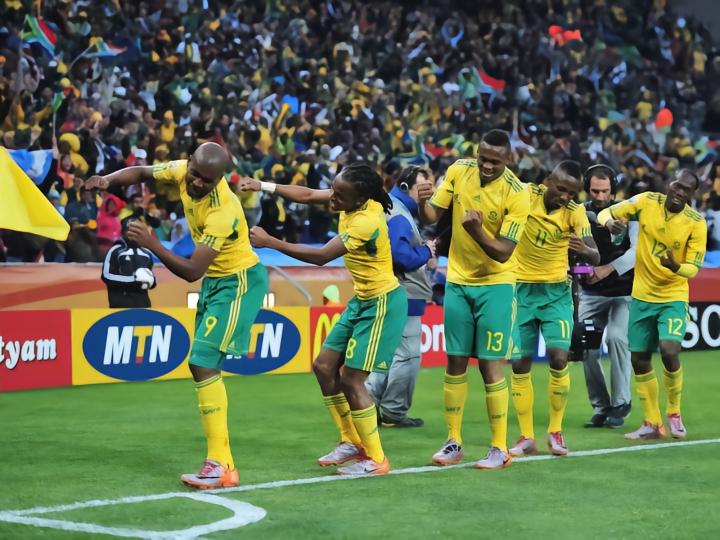
The younger generation hasn't given up their desire to "go abroad," but their destinations are no longer Europe, but rather the Middle East and secondary regional leagues like MLS. In 2023, Mohou Nkota transferred to Saudi Arabia's Dammam Collaboration; in 2024, Mbekzeli Mbokazi went to MLS. Currently, all 10 overseas players selected for the South African national team's reserve squad are under 27 years old.
In an interview in April 2026, Nkota stated frankly: "I want to transfer when I'm young and experience leagues in other countries."