
This article is reprinted and translated from Howler, originally written by Adam Booker, and published on July 14, 2026.
Introduction: Compared to the still-developing domestic football scene, American fans are more easily drawn to the mature European football. However, the foundation of football culture is the community; a giant club thousands of miles away can never compare to a small team nearby—it's a culture you create yourself.
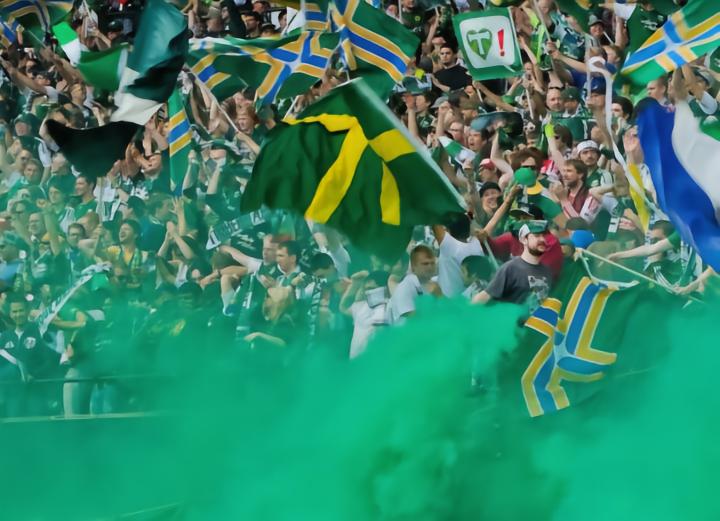
Every four years, a familiar transformation occurs: someone who has never truly understood football watches the ball go into the net and hears the deafening cheers from the stadium, and suddenly, the meaning of the sport becomes clear.
Football, a sport that can bring tears to the eyes of adults in Buenos Aires and leave people in Manchester speechless, has finally revealed its purest charm to those who don't understand the sport.
The ensuing phase quietly diminished that initial passion.
A new American football fan opens a streaming app, skips all the local games, and clicks directly on a club thousands of miles away—a team completely unrelated to their city, weekend plans, or even the people around them.
And so, he "fell into the world of football." This choice is not hard to understand, but it inevitably leaves one feeling somewhat regretful. The psychological mechanisms behind this deserve our in-depth exploration.
When people are immersed in the fervor of the World Cup, they often overlook one thing: what's truly captivating isn't just the matches themselves, or at least not just the simple wins and losses. This passion stems from factors that have long existed before being captured on camera: the development of grassroots football over decades, a sense of community belonging, the football culture nurtured by immigrant communities, long-standing rivalries, and genuine emotions refined over time.
The cheers that the Englishmen sang in those backwater pubs in Texas weren't the work of a social media team. They were born between the pub and the stands, passed down from generation to generation, like a family recipe, refined over the years, yet never fading.
For clubs like Boca Juniors or Borussia Dortmund, the team and its city are inextricably linked. This isn't a deliberately constructed connection for the sake of "authenticity," but rather the result of generations of accumulated experience: they sit in the same seats, argue about the same mistakes, and eventually bring their children along. Gradually, supporting the local team has become a part of family life.
This is why the World Cup resonates so deeply with some American fans. When Argentina plays, you see more than just 11 players in blue and white striped jerseys; you see Argentinians' sense of identity and pride. This feeling was built up little by little through countless ordinary matches, long before the team was packaged as a symbol for a global audience.
So what happens when the final whistle blows but the feeling doesn't immediately fade? Many new American fans will look directly for "perfect football" rather than looking for local teams nearby. They will search for the best, most famous, and most historic teams, which almost always point to the other side of the ocean.
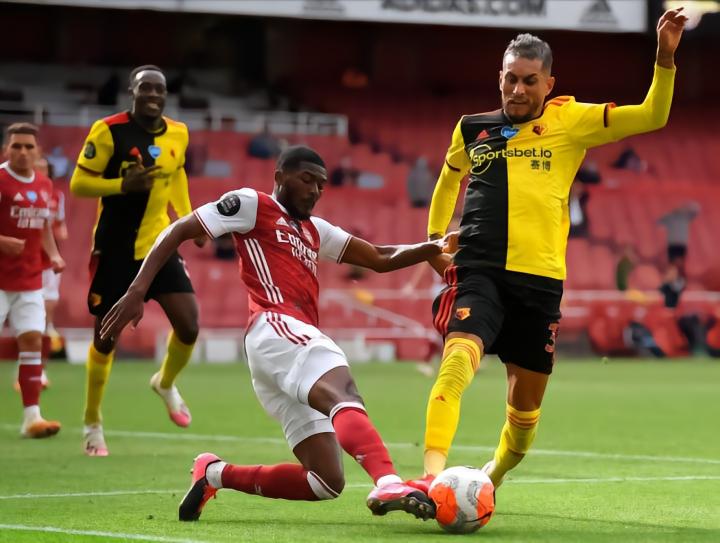
Studies of American soccer fans often reveal a similar phenomenon: many die-hard fans focus on overseas leagues, with the English Premier League being the most popular, while domestic leagues struggle to capture their attention. Many Americans are familiar with the history and players of Premier League teams, yet are largely unaware of the existence of their closest professional clubs . Very few fans are willing to follow their own country's teams.
From the perspective of some Americans, this choice seems reasonable. Instead of wasting precious time on Saturday night watching a somewhat rough MLS or American soccer game, why not watch the world's top players on the same day, enjoying better broadcasts, more dazzling stars, more complete backstories, and a century of accumulated glory, conflict, and legend? In comparison, local American clubs are like an unfinished draft.
This kind of comparison is precisely a trap.
It's like taking the opening of a story and comparing it to someone else's completed novel, then choosing to give up on writing your own chapter. What highlight reels can't convey is this: no matter how much you know about Arsenal's defense, no matter how many Real Madrid jerseys you own, you can never truly connect with the club like a local fan.
This isn't because you don't know enough, but because a sense of belonging isn't something you can gain simply by watching live streams. You can watch every match, memorize every cheer, and argue with strangers online at 3 a.m. But at the most basic level, you're still peering into someone else's community—a culture shaped by generations of locals around their lives.
Now, compare all of this to what might happen a few miles from your doorstep. This weekend, you might be able to stand in the die-hards' box, bump into players at a coffee shop, or watch a truly meaningful derby— because the opposing team is nearby, not because you're told you should hate them.
This doesn't mean local fans are "better" or more devout, but it's definitely a different kind of sense of belonging. Only this kind of belonging can develop into the kind of football culture you experience during the World Cup. Watching a team from across the ocean from your couch is certainly enjoyable, but that's ultimately just a simulation of belonging. You enter the process of creating this culture by truly immersing yourself in the local community and participating in the life around the team—which is precisely what initially drew you to football.
Returning to MLS itself, the criticisms of its lack of suspense and promotion/relegation system are not without merit, and many MLS die-hard fans agree with this. However, the most common and primary complaint from American soccer critics is that the level of players and teams is not high enough to attract their attention.
However, these critics either fail to realize or simply don't care: what makes football truly moving around the world is its ability to connect you with your community, city, friends, and family.
Why do we have to be different? For the 19,000 fans who fill the Alajuelens Stadium in a small Costa Rican town every week, the level of the Premier League seems irrelevant. In Argentina, the Argentine Primera División isn't even in the top ten globally, yet many clubs still manage to attract 40,000 or more fans to their stadiums each week.
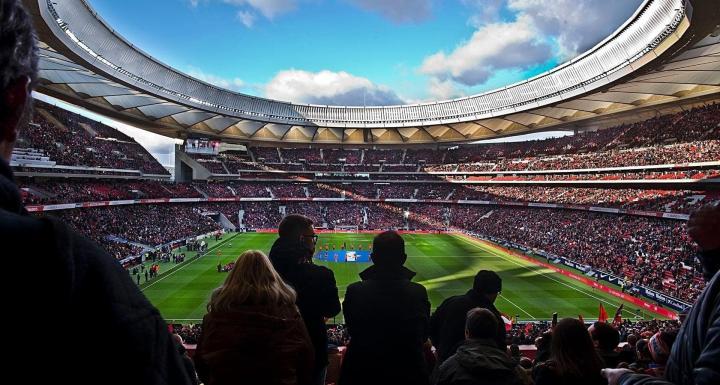
Outside of the United States, the level of competition in soccer isn't everything. What matters is that the 11 players on the field represent your community, whether they are superstars earning $5 million a year or ordinary players earning less than a dentist.
Here's a truly exciting twist that should make new fans feel lucky, not like they're missing out on football culture. In many parts of the United States, football culture isn't a completed, ancient heritage to be viewed from the sidelines, but rather a field still forming, like concrete yet to harden, waiting for more people to participate and shape it.
It is a remarkable achievement that MLS clubs have built many modern, community-oriented stadiums, many of which are located in the heart of major cities. These stadiums are packed every week, and a deep-seated, almost religious, bond is being built between the community and the club, even taking root in some areas.
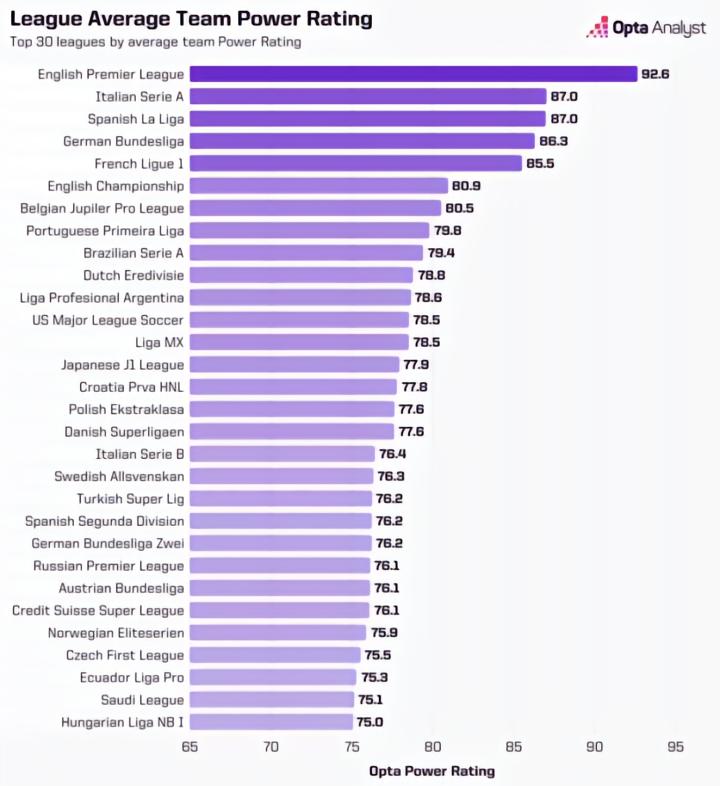
In recent seasons, the competitive level of MLS has also improved significantly. Multiple studies indicate that MLS's overall level is comparable to that of the Brazilian Serie A, Liga MX, and Belgian Pro League. The latter all possess a rich historical heritage, although their economic strength cannot match that of the English Premier League.
This is the opportunity for new fans, whether they realize it or not, that the football culture that makes European and South American clubs so appealing didn't form overnight. It takes time to develop, and it requires people to participate and collectively shape the football culture of their communities before football gains widespread attention.
American soccer culture is growing in the same way: it's gradually taking shape in various settings, from stadiums and bars to online forums. Skipping this process and instead following an established soccer culture means not only missing the opportunity to support the development of domestic soccer, but also missing out on participating in the creation of a local soccer culture—which is precisely what it means to truly love the sport.
I'm not against watching the Premier League, La Liga, or any other overseas league. I personally became a fan of the Premier League when I was around 12 years old, when I knew nothing about local football. The level of the Premier League is undeniable, and the fans' passion is equally intense. There's nothing wrong with wanting to watch the best football from anywhere.
The problem isn't about interest, but about exclusivity. People often overlook the absurdity of treating overseas clubs as a substitute for local football.
So, if this summer's World Cup has ignited your passion, the most sincere next step might not be to order a jersey from a club you may never actually own, but rather to find out which teams are near you—such as MLS, the U.S. Championship League, the U.S. Women's Soccer League, or your local bar team, or even an amateur league that kicks off on Saturday mornings—and then go watch them live.
It's not because you think the in-person experience will be as perfect as it appears on television—in fact, it probably won't, at least not now. You go to the stadium because you can participate in the development of the sport. Fifty years from now, when others fall in love with the sport at future World Cups, they may love the very culture you helped create.